
A persistent cough in an older dog can be concerning, especially when it continues for days or weeks, becomes more frequent, or starts affecting your dog’s sleep and activity.
While some causes of coughing are relatively mild, a chronic cough can also be associated with heart disease, airway problems, infections, or conditions affecting the lungs.
Older dogs can develop several age-related health conditions, so a cough that does not go away should not automatically be attributed to getting older.
Table of Contents
Persistent Cough in Older Dog: Why It Happens
A persistent cough in an older dog can result from chronic airway disease, heart disease, respiratory infection, lung disease, tracheal problems, or other conditions affecting the respiratory system. Environmental irritants can also trigger or worsen an existing cough.
The character of the cough, when it occurs, how long it has been present, and whether your dog has other symptoms can provide useful clues.
However, the sound of a cough alone is not enough to determine its cause.
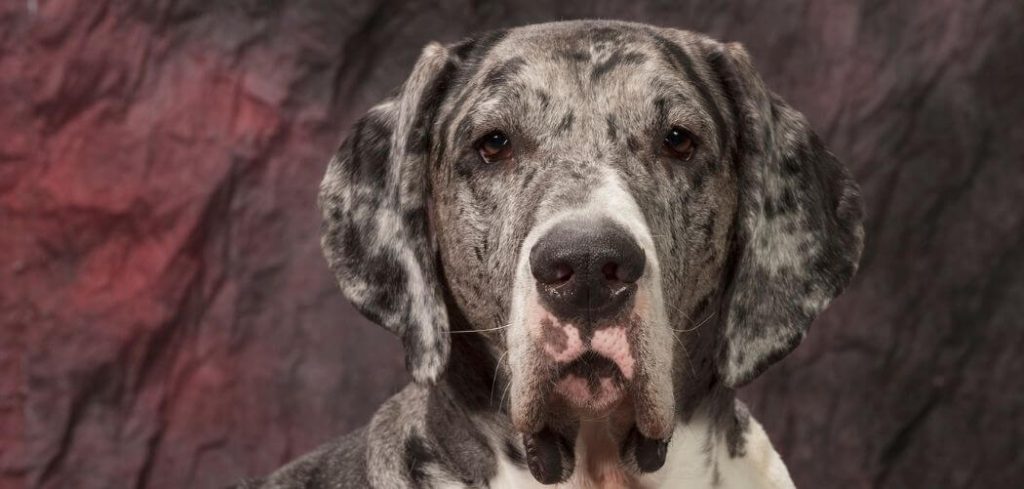
Persistent Cough in Older Dog: Common Causes
Chronic Airway Disease
Chronic inflammation of the airways can cause a cough that continues for an extended period. The cough may be triggered by exercise, excitement, changes in temperature, or pressure around the neck.
Some dogs cough more frequently during particular parts of the day or when lying down.
Chronic airway conditions often require ongoing management, so persistent coughing should be evaluated rather than treated as a temporary irritation.
Related: Old dog coughing at night (Causes and treatment)
Heart Disease
Heart disease is an important consideration in an older dog with a persistent cough.
Certain heart conditions can cause enlargement of the heart or changes in circulation that may contribute to coughing and breathing difficulties.
Other signs can include reduced exercise tolerance, faster breathing while resting, weakness, or fainting.
A cough alone does not establish that heart disease is present. A veterinarian may need to examine the heart and lungs and perform diagnostic testing.
Congestive Heart Failure
Some dogs with advanced heart disease develop congestive heart failure, in which fluid can accumulate in the lungs. This can result in coughing and breathing difficulty.
A dog may breathe faster while resting, become tired easily, or have difficulty getting comfortable.
Breathing difficulty associated with suspected heart failure requires prompt veterinary assessment.
Related: Dog has congestive heart failure and not eating (Why it happens)
Tracheal Collapse
Tracheal collapse occurs when the windpipe becomes less rigid and narrows during breathing. It can produce a persistent, dry, harsh, or honking cough.
Coughing may become more noticeable with excitement, exercise, pulling against a collar, or changes in breathing.
Although tracheal collapse is more common in certain small breeds, any persistent cough should be investigated to determine whether the trachea or another structure is involved.
Respiratory Infection
Respiratory infections can cause coughing that persists for days or longer. Some dogs also develop sneezing, nasal discharge, lethargy, fever, or reduced appetite.
Older dogs may have a greater risk of complications from certain respiratory illnesses.
If the cough is worsening or your dog appears generally unwell, veterinary evaluation is important.
Lung Disease
Diseases affecting the lungs can cause persistent coughing in older dogs. Depending on the underlying problem, a dog may also develop exercise intolerance, rapid breathing, weakness, or appetite changes.
Some lung conditions progress gradually, making subtle changes easy to overlook.
Chest X-rays and other diagnostic tests may be needed to determine what is causing the cough.
Lung Tumors
Some older dogs develop tumors affecting the lungs or other parts of the respiratory system. These may cause a chronic cough, although coughing does not mean that a tumor is present.
Other possible signs include weight loss, reduced stamina, weakness, or changes in breathing.
If a cough persists without an obvious explanation, your veterinarian may recommend diagnostic imaging to investigate the lungs.
Environmental Irritants
Smoke, dust, perfumes, air fresheners, cleaning products, and other airborne irritants can cause coughing or worsen an existing respiratory condition.
Dogs exposed to irritants repeatedly may continue coughing even when they otherwise seem well.
Reducing exposure to obvious irritants may help, but persistent coughing still warrants veterinary evaluation because an underlying medical condition may be present.
Problems Affecting the Nose or Throat
Conditions affecting the upper airway, throat, or swallowing mechanism can cause coughing, gagging, or repeated throat clearing.
Some dogs may cough more when eating or drinking, while others may develop noisy breathing or difficulty swallowing.
A veterinarian can assess whether the cough is originating from the upper airway or deeper in the respiratory tract.
Parasites and Other Respiratory Conditions
Certain parasites can affect the respiratory system and contribute to coughing. Other less common conditions can also cause persistent respiratory signs.
The likelihood of a particular cause depends on factors such as geographic location, exposure, lifestyle, vaccination history, and other health conditions.
Diagnostic testing can help narrow down the possibilities.
Related: Old dog heart murmur life expectancy
When to Call or Visit the Vet
A persistent cough in an older dog should be evaluated by a veterinarian, even if your dog otherwise appears well. Contact your veterinarian immediately if you notice:
Coughing that continues or is becoming more frequent
Coughing while resting or sleeping
Reduced exercise tolerance or unusual fatigue
Faster breathing while resting
Loss of appetite, weight loss, or significant weakness
Fainting or collapse
Pale, gray, or bluish gums
Difficulty breathing, collapse, or rapidly worsening symptoms
Persistent Cough in Older Dog: Treatment
Veterinary treatment for a persistent cough in an older dog starts with a thorough examination of the heart, lungs, airway, and overall health.
The veterinarian may recommend chest X-rays to assess the lungs and heart, while blood tests, an ECG, an echocardiogram, airway evaluation, or other diagnostic testing may be appropriate depending on the suspected cause.
Treatment may include prescription medication for heart disease, airway inflammation, infection, or another underlying condition, as well as management of environmental triggers when appropriate.
Key Takeaway
A persistent cough in an older dog can have many causes, including chronic airway disease, heart disease, tracheal problems, respiratory infection, lung disease, environmental irritation, and other conditions.
A chronic cough should not simply be considered a normal part of aging. Identifying the underlying cause is important because treatment varies considerably depending on whether the problem involves the heart, airway, lungs, or another system.
If your older dog has a cough that continues or worsens, arrange a veterinary examination. Seek urgent veterinary care if your dog develops difficulty breathing, pale or bluish gums, collapse, severe weakness, or rapidly worsening symptoms.


